Planning One-Cubic-Yard Soil Bag Delivery for a Hamilton Garden Project
Soil delivery can simplify the logistics of a new garden bed, lawn repair, or landscape refresh. But ordering too little delays work, while ordering too much leaves a pile to store or move. For Hamilton-area projects, begin by measuring the intended area and identifying whether the task requires garden soil, top dressing, or a different material. A delivered soil bag can make a landscaping project much easier, but the volume, material and placement need to match the job. A few measurements and delivery-day decisions can prevent the most common ordering headaches.
Understanding the key considerations
Calculate cubic yards
Multiply the length and width in feet, then multiply by the required depth in feet. Divide the resulting cubic feet by 27 to convert to cubic yards. For example, a 12-by-9-foot bed filled six inches deep requires 54 cubic feet, or two cubic yards. The actual volume can vary with settling and the condition of the existing soil, so review the project with the supplier.
Match the material to the use
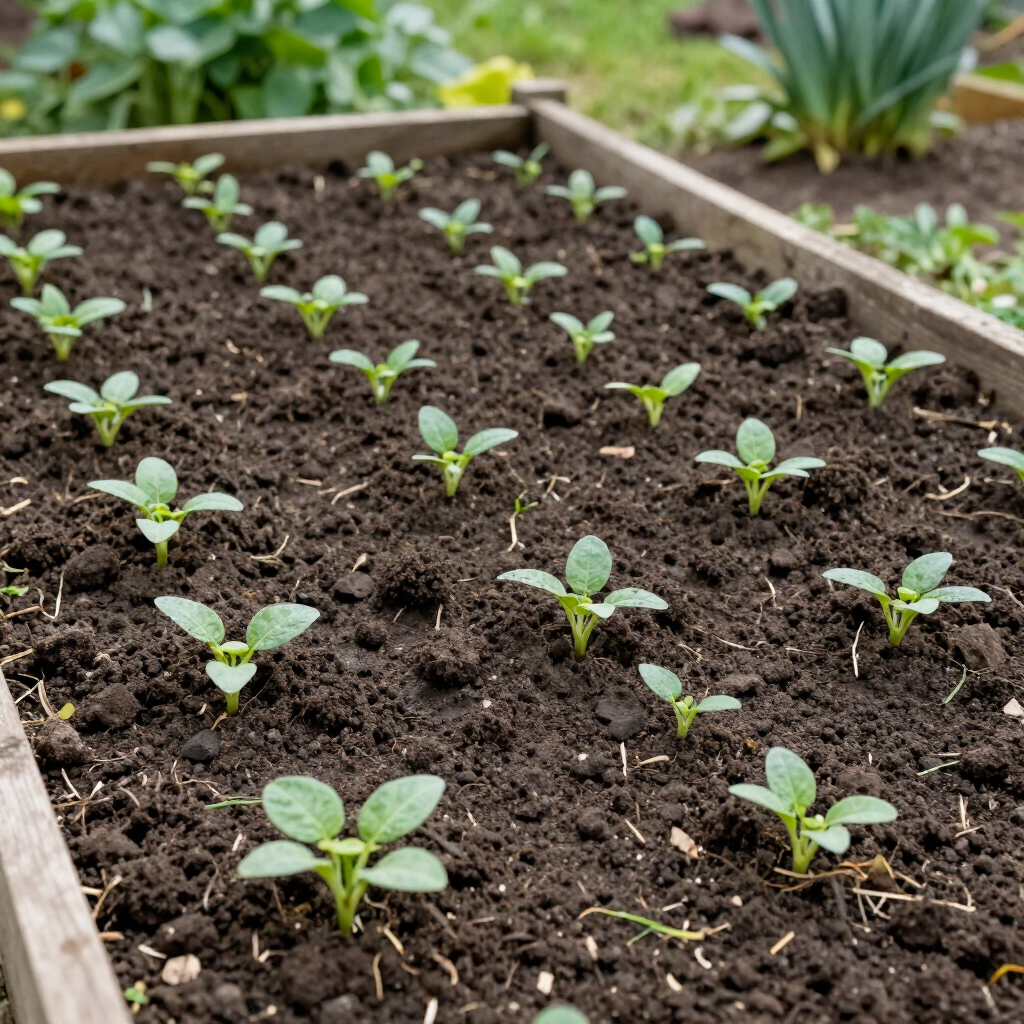
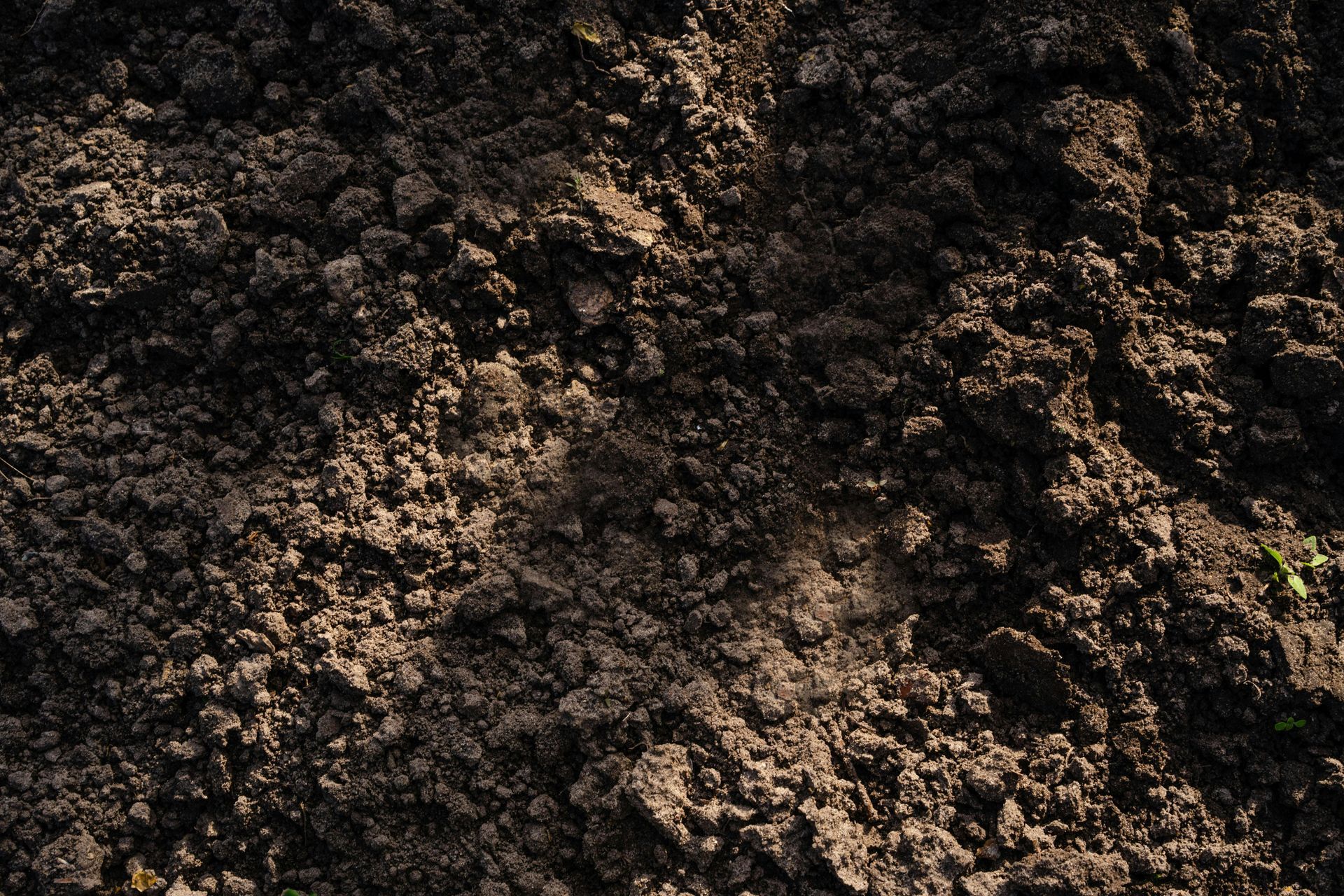
A vegetable bed, top-dressed lawn, and new planting area may benefit from different blends. Ask what a product contains and whether it is suitable for the plants and existing site. Avoid assuming one type of soil can replace drainage corrections or solve compaction without preparation.
Think about placement before delivery day
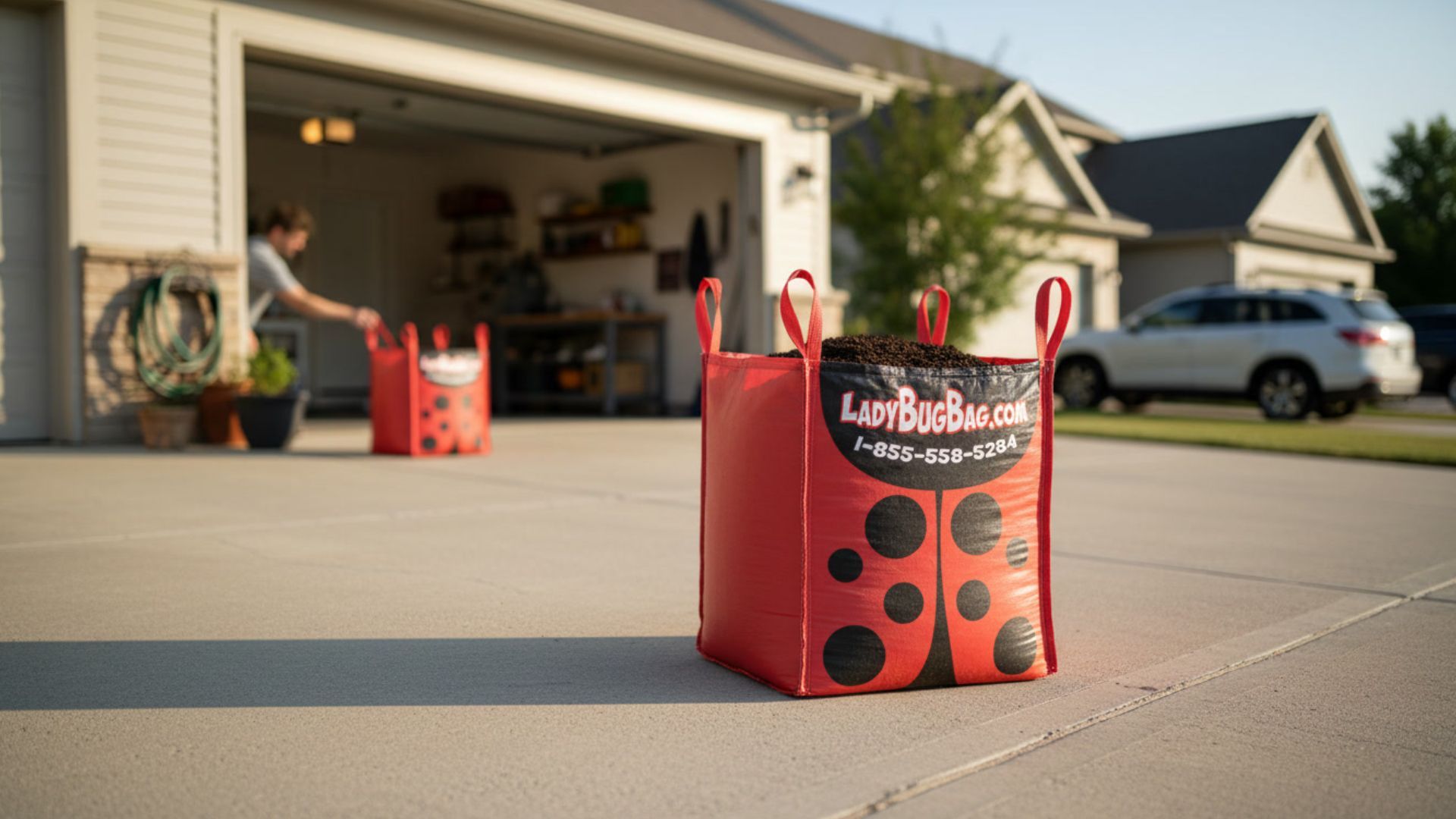
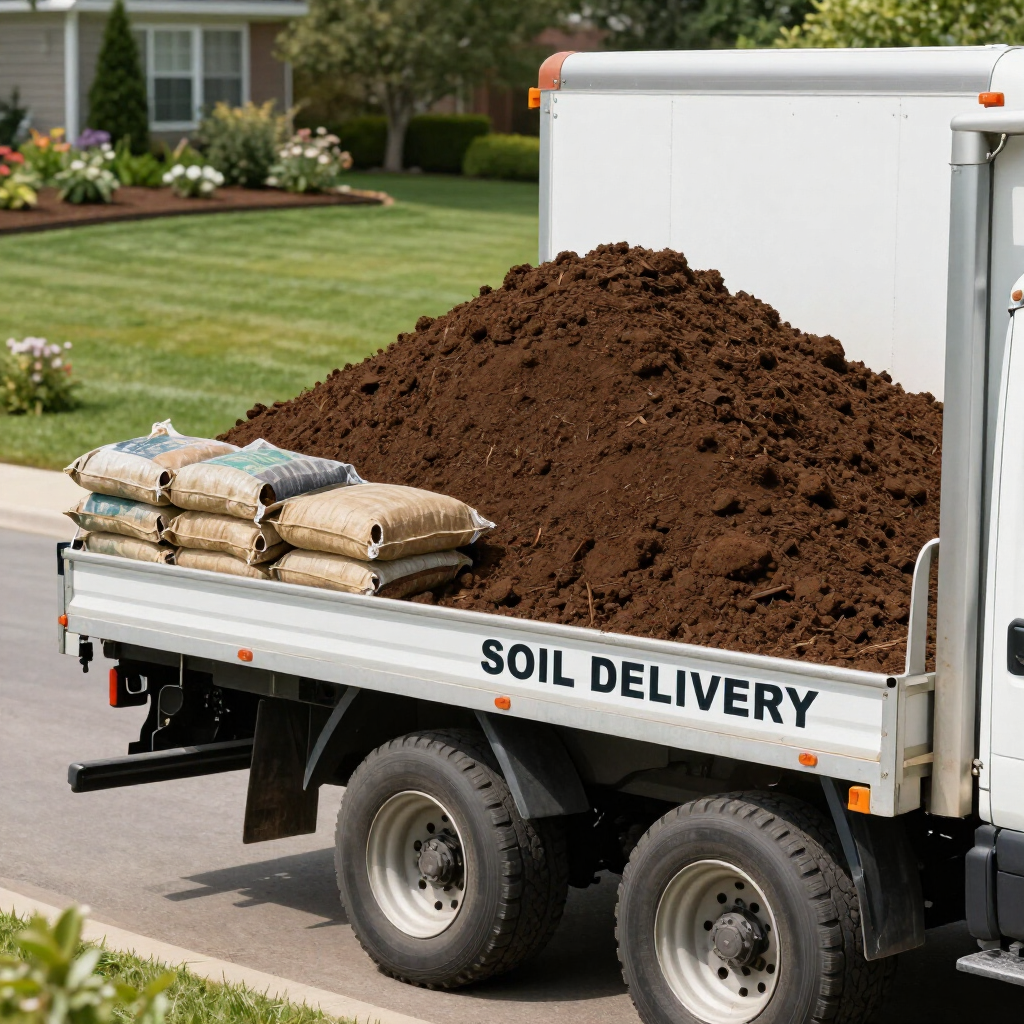
Choose a reasonably level location with enough access for the delivery vehicle and a clear path to the project. Check overhead wires, branches, parked cars, and obstacles. Confirm the provider’s drop-off requirements and whether the bag can remain in place safely while you work. Do not block sidewalks or access routes.
Make the project manageable
Divide material movement into smaller sessions and keep tools ready before delivery. Lady Bug Bag offers one-cubic-yard bagged soil products and delivery options. Review its available materials, coverage details, and delivery area before ordering so the product and quantity fit your Hamilton gardening project.
Review Lady Bug Bag's
one-cubic-yard soil category when planning the volume.
Planning the right next step
Loose bulk delivery or contained bag?
A contained soil bag may help keep the material in one place on a driveway or job site, while loose bulk delivery can be efficient for large open projects. Compare the quantity, placement options and how you intend to move the product. Neither option is automatically best; access limitations and cleanup effort often decide.
Allow for settling without over-ordering
Newly placed soil can settle, particularly in deeper beds. The amount depends on composition and site preparation, so do not assume a fixed percentage for every product. If you are filling a planter, follow its construction and drainage needs. For a lawn top dressing, a thin, even layer is a different job from filling an entire raised bed.
A delivery-day checklist
Measure the approach, confirm vehicle access, identify the placement spot and have a plan for spreading the soil. Ask about delivery windows and whether the supplier has special requirements for overhead clearance or hard surfaces. A little preparation makes a weekend garden project much easier.
The
sizes page explains available bag formats.
Practical planning checklist
A worked example for a new planting bed
Imagine a bed 18 feet long and 6 feet wide that needs 6 inches of additional soil. That is 108 square feet multiplied by 0.5 foot, giving 54 cubic feet, or two cubic yards. A single one-cubic-yard bag would cover roughly half of that planned depth. If the bed already contains soil, measure the actual additional depth rather than using the full bed height. Confirm product yield and settling expectations before placing the order.
Think through delivery access in an urban driveway
A contained bag keeps material together, but it still needs a suitable place to be delivered. Measure the clearance between parked cars, overhead branches, wires and garages. Choose a spot that avoids blocking sidewalks or access to neighbouring property. Ask the supplier what surface and drop-off conditions are required, and confirm whether the driver can place the bag in the exact location you have in mind.
Use the right material for each layer
A garden bed generally needs a product intended for planting, while mulch belongs on top of the finished soil in a suitable layer. Decorative aggregates have a different purpose again. If the site has standing water or severe compaction, new soil alone may not correct the underlying problem. Evaluate drainage and grade first. Lady Bug Bag’s product categories can help narrow choices, but confirm the current composition and delivery availability directly with the supplier.
Frequently Asked Questions About soil delivery Hamilton
How much area does a cubic yard cover?
It depends on depth: at three inches, a cubic yard covers approximately 108 square feet before settling.
Can I leave a soil bag on the driveway?
Confirm the bag’s placement guidance, surface suitability and local access requirements with the supplier.
Talk to Lady Bug Bag About Your Next Step
If you are weighing your options in Hamilton, gather the details of your situation and discuss the appropriate next step with Lady Bug Bag. A clear description of the problem, proposed project or service requirements helps the team respond usefully.
Browse the current shop range to match the material to your project.