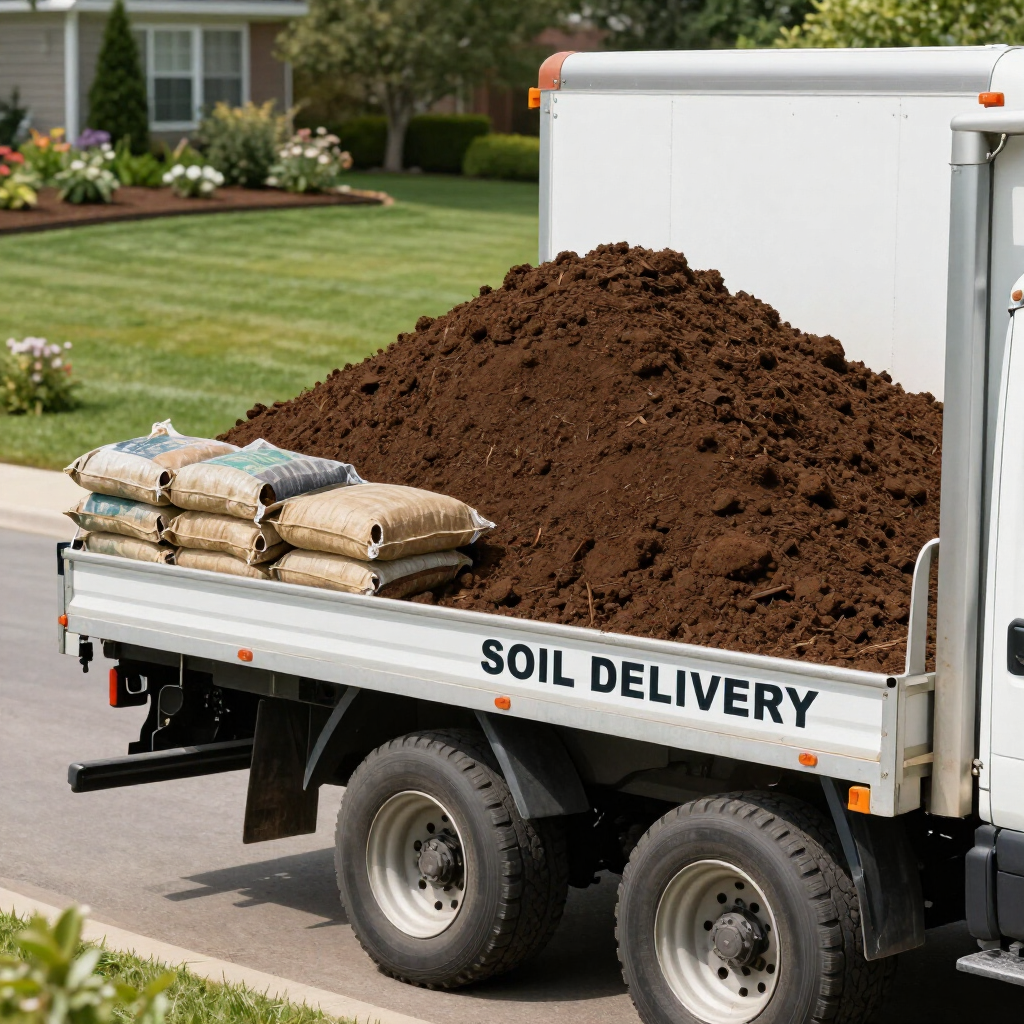
Planning Soil Delivery for Spring: What Hamilton Homeowners Can Measure and Prepare Now
Plan a spring soil delivery by defining the project, measuring the area and intended depth, choosing an appropriate material, and identifying a safe delivery location. You can do much of that work before spring without ordering months in advance. At Lady Bug Bag, we find that a clear description of the job is more useful than a guessed number of bags.
A new raised bed, a lawn repair, and a garden refresh need different calculations and material choices. This guide helps Hamilton homeowners gather the information for an order and think through access, storage, and the route from delivery point to garden. Current availability and delivery arrangements should always be confirmed when you are ready to buy.
What is the project actually trying to achieve?
Write down the purpose before measuring. Are you filling a new bed, replacing removed material, replenishing an existing garden, or top-dressing a lawn? The answer affects the material and the depth you should use.
Do not assume a low area needs soil simply because it looks uneven. Drainage, grading, compaction, or another condition may need assessment first. Adding material without understanding the cause can leave the original issue unresolved.
We can discuss products more effectively when you explain the goal. A photograph and a short description help us distinguish a planting project from a construction or drainage task.
How do you measure a rectangular area?
Measure length and width and record the units. Multiply them to calculate area. Then establish the intended depth for the project and convert all measurements to the same unit before multiplying for volume.
For example, a 10-foot by 6-foot bed with an intended depth of half a foot represents 30 cubic feet before any project-specific adjustment. Dividing by 27 converts cubic feet to cubic yards. The example demonstrates the arithmetic, not a recommended depth for every bed.
Check the dimensions twice and label the project. Confusing feet and inches is an easy way to create an order error.
How should you handle irregular beds?
Divide the shape into smaller rectangles, triangles, or other manageable sections. Calculate each area and add them. A rough sketch helps keep sections from being counted twice.
Subtract substantial areas that will not receive material, such as a fixed structure or path, when appropriate. Do not subtract every plant by guesswork; discuss the intended application and how existing planting affects it.
For a highly irregular or changing design, a contractor's measured plan may be more reliable. The final calculation should reflect the area that will actually be filled.
What depth should you use?
Depth comes from the intended task, existing conditions, and relevant product or planting guidance. A thin top-dressing application is different from filling a deep raised bed. The same yard can need several separate depths.
Measure the gap to the intended finished level rather than assume the whole bed is empty. Account for existing usable material and any planned removal. If you change the design later, update the calculation.
We can discuss material choices, but a project with structural grading or drainage requirements may need professional specifications. Do not use a soil-delivery calculator as a substitute for that design.
Which soil should you choose?
Our shop lists products including topsoil, triple mix, loams, and top-dressing material. The names describe options to compare, not interchangeable solutions. Tell us what you are planting or repairing and what is already in place.
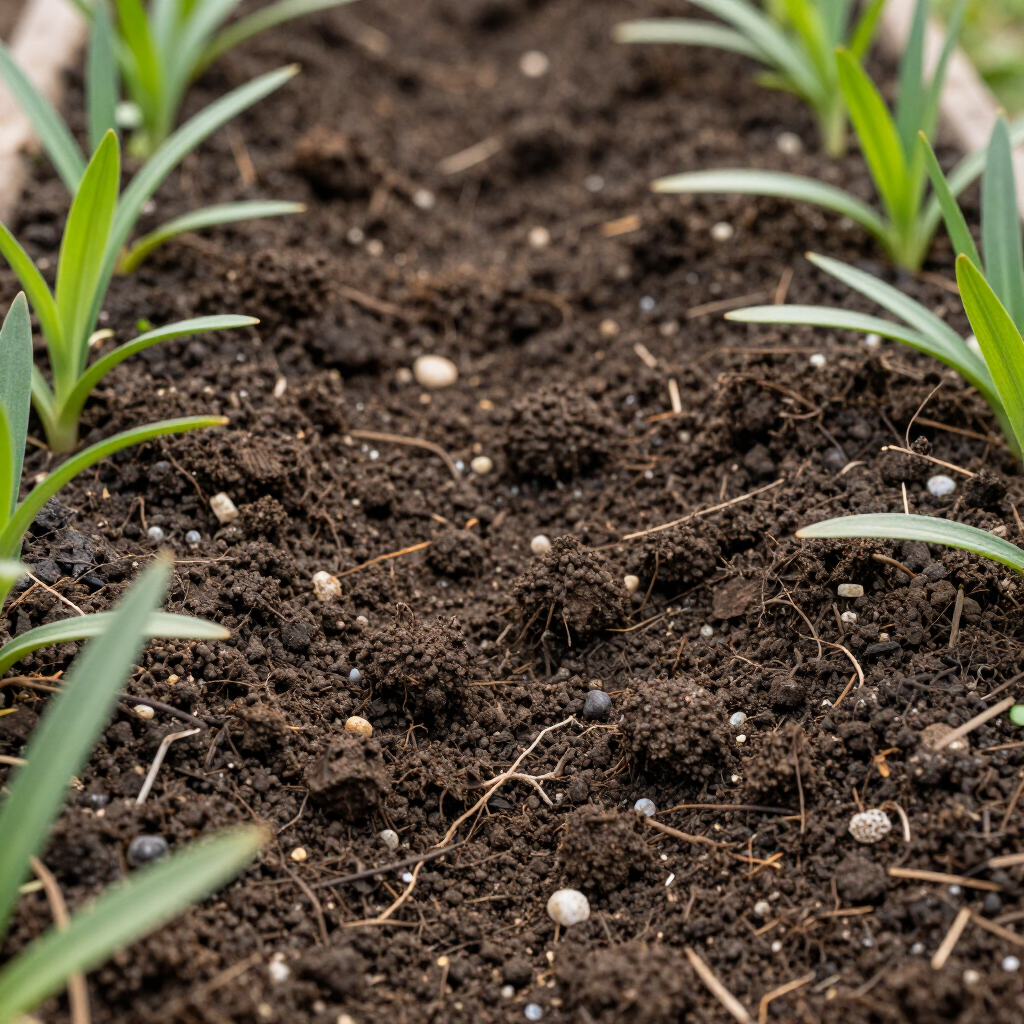
If you have soil-test information or a landscape specification, bring it. A material should suit the purpose rather than be chosen because it looks darkest in a photograph. Existing soil and plant needs matter.
You can review our soil and garden products before contacting us. Confirm the exact product, ordering unit, and current details when placing the order.
How do bags and bulk quantities compare?
Check the stated volume or weight of the actual product and package. A small retail bag and a large landscape bag are not the same ordering unit. Do not assume “one bag” has a universal size.
Convert your calculated volume to the seller's unit before comparing prices. If weight is involved, ask for product-specific information; different materials have different densities and moisture conditions. Avoid using one conversion for every type of soil or aggregate.
The practical choice also depends on access and handling. Several smaller bags may suit one job, while a larger delivery arrangement may suit another.
Should you include an allowance?
A project can involve uneven surfaces, settlement, or a small variation in dimensions, but an arbitrary large buffer can leave costly surplus. Discuss a sensible allowance for the material and application.
Keep the base calculation and allowance separate on your notes. That makes the reasoning clear and lets you adjust if the design changes. Do not hide uncertainty by rounding every number upward repeatedly.
If you are unsure of the required finished level, resolve that before increasing the order. More material does not correct an uncertain plan.
Where should the delivery go?
Choose a location that can be reached safely by the delivery method and will not block access, sidewalks, roads, drains, or neighbours. Ask the supplier to confirm placement requirements rather than assume the material can be put anywhere on the property.
Consider gates, overhead lines, parked vehicles, slopes, surfaces, and available working space. A driveway may be suitable for one delivery arrangement and not another. Describe the site accurately.
The drop location should also make the next stage manageable. A convenient truck approach can still leave a difficult route to the backyard.
How will you move the material?
Plan the route from delivery point to project area. Measure gates and note steps, narrow paths, soft ground, or slopes. Decide what equipment and help you need and how much work you can complete in a day.
Do not overload a wheelbarrow or carry awkward weights beyond your ability. Smaller manageable loads may be safer even if they take longer. Keep paths clear and protect vulnerable surfaces appropriately.
If a contractor will place the material, coordinate the delivery date with them. A large bag arriving weeks before the work may occupy space you need for something else.
Can the material sit outside before use?
Ask about suitable storage and handling for the exact product and packaging. Weather, drainage, access, and the time before use matter. Do not assume a cover or bag makes every material suitable for indefinite storage.
Avoid placing stored material where runoff could carry it into drains or where it obstructs the property. Keep the packaging and load secure as directed. If you plan a long delay, discuss whether a later delivery is more practical.
Planning in winter does not require receiving material in winter. Measurements and a shortlist can be prepared now while delivery waits for a workable project date.
What should you check after winter?
Revisit the area before confirming the order. Freeze-thaw, erosion, landscaping changes, or new construction may have altered levels or access. Check that the original measurements and intended depth still apply.
Inspect the delivery route as well. A path that was firm in autumn may be soft or damaged in spring. Tell the supplier about any changed conditions rather than rely on an old photo.
If standing water or a new drainage concern appears, address that before filling the area. The project may need more than the material originally planned.
How do you coordinate soil with mulch or stone?
Keep separate calculations and product lists. Soil creates or improves a growing area; mulch is a surface material; aggregates may serve decorative or technical purposes. Their quantities and preparation requirements differ.
Decide the installation sequence so one delivery does not block another. If the yard needs cleanup first, complete that before placing materials. Ask whether orders can be staged if necessary.
Our wider product range includes mulches and aggregates, but each should be selected for the task. A single mixed “landscape material” estimate is not enough.
What affects the delivery budget?
Product quantity, ordering unit, delivery location, handling requirements, taxes, and current terms can affect the total. Ask for a complete price for the actual order rather than compare a package price without delivery context.
If you are comparing pickup, consider vehicle capacity, loading, multiple trips, and time. Landscape materials can be much heavier than they look. Do not plan around an overloaded vehicle or trailer.
A planning estimate can help set the budget, but confirm the price and availability when ordering. Seasonal conditions and product details may change.
How does Lady Bug Bag serve the local area?
Our site identifies garden supply partners in Burlington and Millgrove and provides online product information. Delivery suitability depends on the product, location, access, and current arrangements.
For a Hamilton property, provide the full delivery address and site details so the service can be confirmed. Do not assume a particular date, placement, or handling method from a general service-area statement.
You can review Lady Bug Bag's delivery information and contact us with the project. We can discuss the appropriate ordering process and what information is still needed.
What should your order worksheet include?
Record the project name, dimensions, intended depth, calculated volume, any allowance, exact product, and ordering unit. Add the address, proposed drop point, access notes, and the date the material will be used.
If several people are involved, identify who approves the order and who will be present or reachable. A clear contact prevents confusion when a delivery question arises.
Keep a copy of the confirmed order and compare it with the plan. A product name or quantity error is easier to correct before dispatch than after material is on the driveway.
What if plans change?
Update the supplier promptly and ask about the current change or cancellation terms. Do not assume a delivery can be redirected or rescheduled at the last minute. Product handling and routing may already be arranged.
If dimensions change, redo the affected calculation rather than add an informal extra amount. If the material changes, recheck suitability, volume, and handling requirements.
Our garden supply partners can be part of the discussion when appropriate, but keep one clear version of the order so information is not split across several conversations.
Use a worked calculation as a check
Suppose a rectangular area is 12 feet long and 8 feet wide, and the project calls for 3 inches of additional material. Convert 3 inches to 0.25 feet, then multiply 12 by 8 by 0.25 to get 24 cubic feet. Dividing by 27 gives about 0.89 cubic yards before any justified allowance.
The arithmetic does not establish that 3 inches is the right depth. That decision comes from the intended application. It also does not tell you how many packages to buy until you know the volume supplied in the selected ordering unit. Keeping those steps separate makes the final order easier to verify and reduces the chance of confusing an example with a product recommendation.
Measure now and confirm before ordering
We want soil delivery to support a project that is ready for the material. Define the job, measure carefully, choose the right product, and plan a safe route from delivery point to garden. Lady Bug Bag can help Hamilton homeowners turn those details into a practical order when the season and site are ready.